Wondering whether you should build or buy in Abaco? It is a smart question, especially if you are balancing timing, budget, design goals, and the realities of island logistics. In Abaco, the better choice often comes down to how quickly you want to use the property, how much complexity you are willing to manage, and whether a custom result matters more than a simpler purchase path. Let’s dive in.
Why This Choice Matters in Abaco
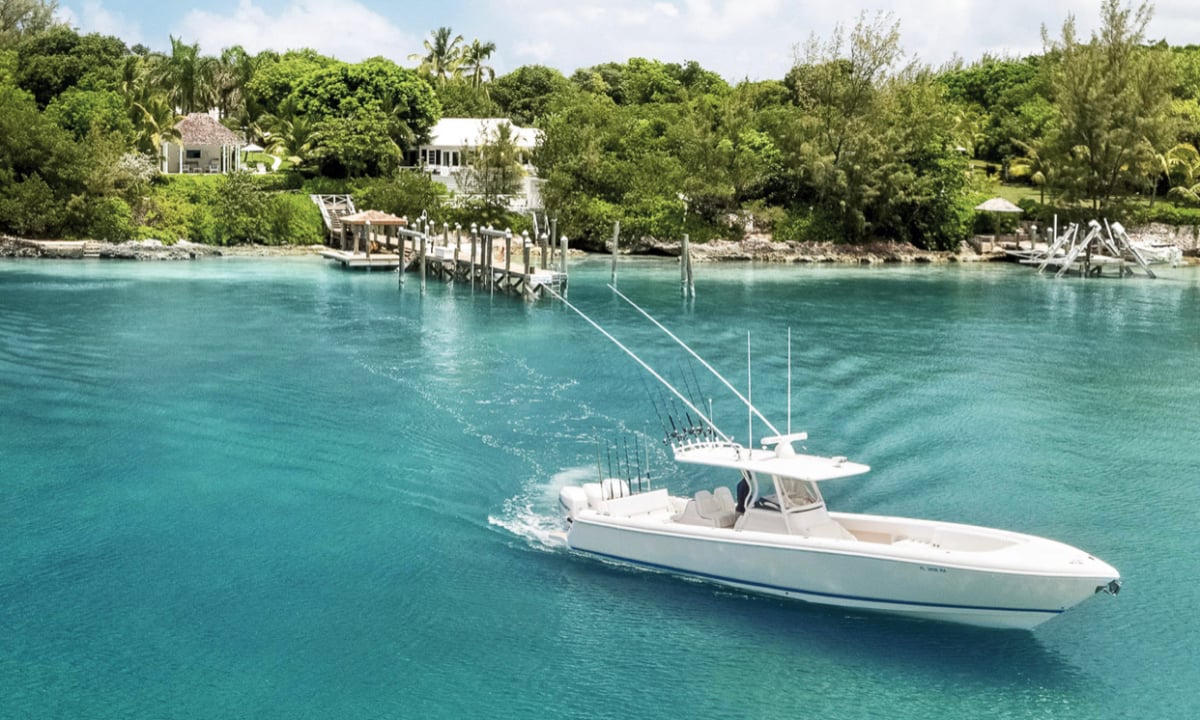
Abaco is not a one-size-fits-all market. Great Abaco stretches roughly 120 miles, with Marsh Harbour serving as the commercial hub and Treasure Cay known as a resort district. The area also includes outer cays that may require ferry or private boat access, which can shape how easy it is to inspect property, coordinate vendors, and move materials.
That access profile has a direct impact on your decision. If you buy an existing home, you may be able to move faster with fewer moving parts. If you build, access can affect everything from site visits to contractor scheduling to delivery timelines.
Buying an Existing Home in Abaco
For many buyers, purchasing a completed home or villa is the more straightforward option. When a property is already built and properly approved, you usually avoid the full new-build permit process and the final occupancy inspection sequence required for new construction. That can make resale feel simpler and more predictable.
This path often works well if you want a second home you can use sooner or an investment property with a clearer timeline. Instead of managing approvals, construction milestones, and final inspections, you can focus on the property itself, due diligence, and your closing schedule.
Key Advantages of Buying
Buying an existing home can offer several practical benefits:
- Faster path to ownership and use
- Less permitting uncertainty
- Easier property evaluation because you can inspect a completed structure
- Fewer coordination demands than a ground-up build
- More immediate clarity on layout, finishes, and livability
In a market like Abaco, that certainty can be valuable. Independent market reporting shows the area remains active but selective, with pricing and timing differing widely by segment. Well-priced properties can still move efficiently once buyers commit.
Abaco Market Snapshot
Current market data helps frame the decision. In Q1 2026, Abaco recorded 177 active residential listings, 30 pending sales, and 14 closed sales. The average sale price was $1.67 million, the median sale price was $1.55 million, and average days on market were 337.
Those numbers suggest opportunity, but also the need for careful selection. Treasure Cay averaged $2.71 million and 295 days on market, while the Abaco Cays averaged 428 days on market. In other words, this is a market where product type, pricing, and location matter a great deal.
Building a Home in Abaco
Building can be a compelling choice if you want a custom home tailored to your priorities. You may prefer your own floor plan, site orientation, finish selections, or waterfront design features. If that level of control matters most, building can be worth the added effort.
Still, building in The Bahamas comes with more procedural steps than buying resale. New construction must comply with the Buildings Regulations Act and the Bahamas Building Code, and a final inspection is required before an occupancy certificate is issued. That means your timeline can be more variable from the start.
What Building Typically Involves
If you build in Abaco, expect a more layered process. While every project is different, the broad path generally includes:
- Confirming the lot and intended use
- Reviewing whether your purchase requires registration or permit review under the International Persons Landholding Act
- Preparing plans that comply with the Bahamas Building Code
- Going through the building permit process
- Managing labor, materials, and site logistics
- Completing final inspections before occupancy
That does not mean building is the wrong choice. It simply means you should enter the process with realistic expectations around timing, approvals, and coordination.
A Meaningful Tax Advantage for Builders
Abaco does offer an important policy benefit that can change the math. Under the Special Economic Recovery Zone program for Abaco and Grand Bahama, eligible applicants may receive customs duty and VAT-free importation of certain items, including building materials, plumbing fixtures and materials, electrical fixtures and materials, household furniture, furnishings and appliances, and hardware supplies.
For the right buyer, that can be a major advantage. The applicant does not have to be a resident, but the exempt items must be shipped to and remain in the qualifying islands. If you are considering a new build or substantial renovation, this is one of the strongest reasons to look closely at the build option.
Outer Cays Add Complexity
Location matters even more when building on the cays. Some outer cay destinations are reached by ferry or private boat from Marsh Harbour, including places such as Elbow Cay, Man-O-War Cay, and Green Turtle Cay. That does not prevent building, but it can make oversight and delivery more complicated.
If your lot is on an outer cay, think beyond the design itself. You will want to consider how often you can be on site, how contractors will move around, and how materials will arrive. A beautiful location may still be the right fit, but logistics should be part of your early planning.
Land Availability in Abaco
If you are leaning toward building, the lot market offers options. In Q1 2026, Abaco had 251 active land listings, with 60 pending sales and 16 closed sales. Average days on market for land were 172.
That suggests inventory is available, but buyers are still taking a thoughtful approach. A patient lot market can give you room to compare locations and access profiles, but it also reinforces the importance of verifying what you can build and what approvals may apply before you commit.
Costs to Compare Before You Decide
Whether you build or buy, taxes and holding costs deserve close attention. For foreign persons, the VAT Act sets a 10% VAT rate for a deed of conveyance, assignment, or transfer of real property. Real property tax is also required by law and is due annually once billed, with the bill due by December 31 to avoid additional interest.
Some first-home and zero-rated relief programs exist, but many second-home buyers and investors in Abaco may not qualify. That is why your comparison should go beyond headline purchase price. You should weigh acquisition costs, annual carrying costs, and, if building, the possible benefit of Special Economic Recovery Zone concessions.
How to Choose the Right Path
The best option usually depends on three things: timing, control, and complexity. If you want speed and predictability, buying a completed home often makes more sense. If you want customization and are comfortable with a longer, more hands-on process, building may offer a better fit.
Here is a simple way to think about it.
| If you value... | Buying may fit better | Building may fit better |
|---|---|---|
| Faster occupancy | Yes | No |
| More predictable process | Yes | No |
| Custom design control | No | Yes |
| Fewer logistics to manage | Yes | No |
| Potential import-related tax advantages | No | Yes |
| Easier outer-island oversight | Usually | Depends on site |
Why Local Guidance Matters
In Abaco, the decision is rarely just about lifestyle. It is also about access, timing, intended use, and the exact rules tied to the property you want. That is why a local due-diligence team matters from the beginning.
The Bahamas Real Estate Association is the statutory body that licenses real estate professionals, making a BREA-licensed agent a strong starting point. From there, you can confirm the property’s status, discuss likely next steps, and bring in the right professionals for planning, financing, or construction-related questions.
A Practical Bottom Line
If you want a more turnkey route, buying an existing Abaco home is often the simpler choice. You may avoid much of the permitting and occupancy process that comes with new construction, and you can evaluate a finished product with greater certainty. For many second-home buyers, that simplicity is the deciding factor.
If you want to shape the property around your exact vision, building can be the stronger long-term move. Abaco’s Special Economic Recovery Zone incentives can add meaningful value, but only if you are prepared for a longer timeline and more moving parts. The right answer depends on how you weigh certainty against flexibility.
If you are comparing homes, land, or development possibilities in Abaco, Chancellors KW Bahamas can help you evaluate the tradeoffs with island-specific insight, financing assistance, valuation support, and a concierge-level approach tailored to your goals.
FAQs
Should you build or buy a home in Abaco if you want to use the property soon?
- Buying an existing home is usually the faster path because you may avoid the new-build permit process and final occupancy inspection required for ground-up construction.
What are the main advantages of building a home in Abaco?
- Building gives you more design control and may offer tax advantages through the Special Economic Recovery Zone program for eligible imports tied to Abaco.
Does building on an Abaco cay take more planning than building on Great Abaco?
- Yes. Ferry or private boat access on some cays can make site visits, contractor coordination, and material delivery more complicated.
What taxes should foreign buyers consider when buying property in Abaco?
- Foreign buyers should account for the 10% VAT applied to a deed of conveyance, assignment, or transfer of real property, along with annual real property tax once billed.
Is land available in Abaco for buyers who want to build?
- Yes. Q1 2026 reporting showed 251 active land listings in Abaco, which suggests buyers have inventory to consider even though the decision process can be patient and deliberate.
Why is local real estate guidance important when choosing between building and buying in Abaco?
- Local guidance helps you verify intended use, understand whether registration or permit review may apply, compare timelines and costs, and navigate island-specific logistics with more confidence.