Every visit to Clifton Heritage National Park starts at the old carriage house, which is now the gift shop. Heritage walkers and snorkelers both check in there. When a resident host brings visiting guests, the park prices the two differently. A resident pays $10 for general admission and a non-resident pays $20. To get the lower rate, the resident has to show a government-issued ID at check-in: a passport, driver's license, NIB card or voter's card.
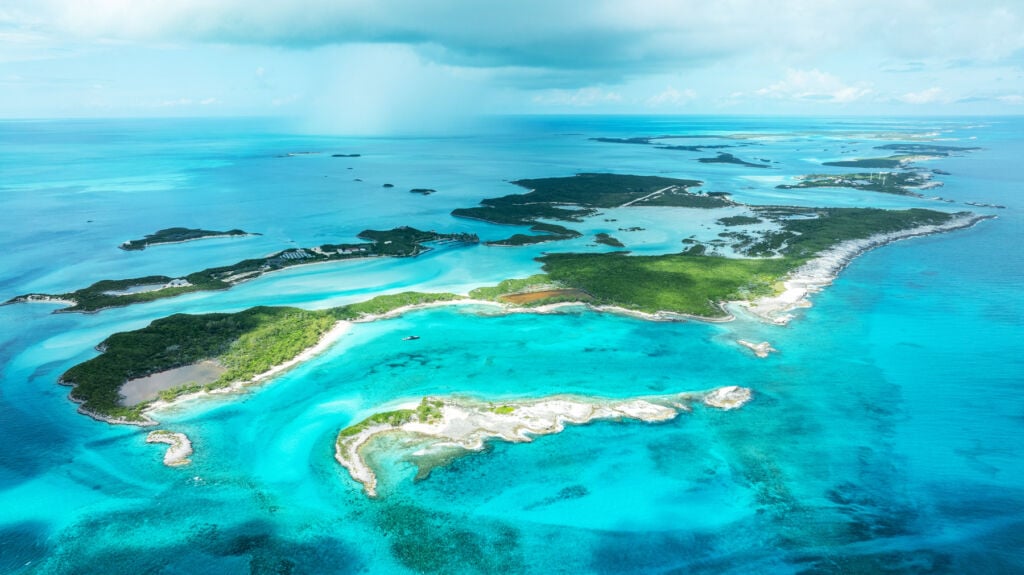
That split shapes the whole day for a Lyford Cay or Old Fort Bay household. The park covers 208 acres in southwestern New Providence, the same end of the island as Lyford Cay. The Clifton Heritage Authority's own price list and visitor guidance favor the host who books the water early, walks the cliffs before lunch, and stays clear of the weekend afternoon crowd.
The Afternoon Rush Sets the Plan
According to the Authority's visitor FAQ, the park opens at 8:30 a.m. every day, and last entry for everyone, groups included, is 4:00 p.m. The same page says the busiest stretch is noon to 4:00 p.m., Friday through Sunday, and that Heritage Tour lines can get long then.
U.S. Thanksgiving falls on Thursday, November 26, so guests flying in for the long weekend next week will be here on exactly the Friday-to-Sunday days the FAQ marks as busiest. A Friday or Saturday morning avoids the afternoon peak. So does a weekday the following week, if the guests are staying on. General tours take walk-ins, so a morning plan doesn't depend on getting a reservation.
The Authority's resident Premium package follows the same order. It runs a guided snorkel at 10:30 a.m., then a guided Heritage Tour at 1:00 p.m. That puts guests in the water before the peak starts and on dry land once the day is warm and they've eaten.
In the Water by Mid-Morning
The offshore half of Clifton is the BREEF Sir Nicholas Nuttall Coral Reef Sculpture Garden. It sits inside the Southwest Marine Managed Area off the park's coast. Its centerpiece is Ocean Atlas by Jason deCaires Taylor, an 18-foot, 60-ton figure that the Authority calls the world's largest underwater sculpture. Nearby are Lucayan Faces by Andret John and Virtuoso Man by Willicey Tynes.
Anyone who last swam here a few years ago will find something new on the bottom. In May 2026, BREEF announced that Taylor's Lady of Coral had joined the garden. It stands on a sandy patch beside BREEF's coral nursery and will be seeded with coral fragments grown there. BREEF describes the piece as one of two identical sculptures. One is underwater off Nassau, and the other stands in a wildflower meadow on land on the other side of the Atlantic. BREEF Executive Director Casuarina McKinney-Lambert described the sculptures as "living art, changing as corals and other marine life grow over their surfaces." At about six months in the water, Lady of Coral is at the start of that change, and guests who come back in a year or two can compare.
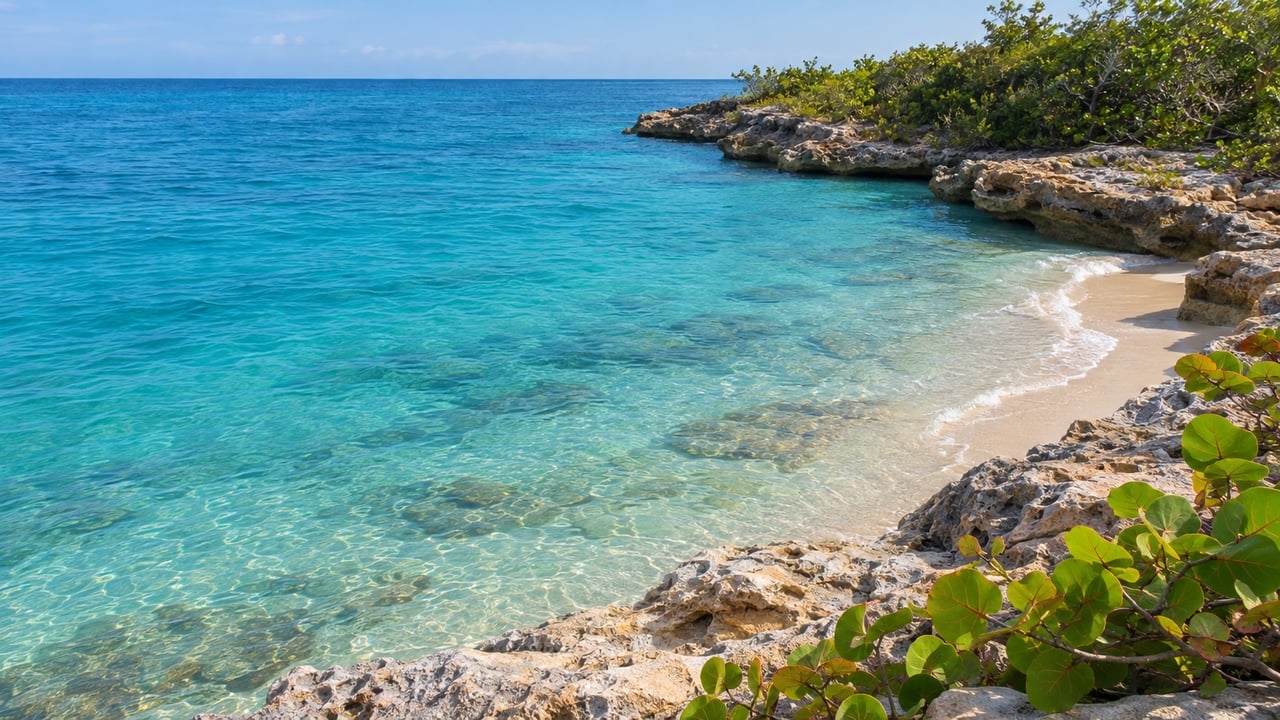
The same water holds older layers too. The Authority notes that the beaches at Clifton Point were film locations for Thunderball in 1965, Never Say Never Again in 1983 and Jaws: The Revenge in 1987, and props from those films are still offshore. Natural reef and man-made reef balls hold the fish life around them.
Snorkeling has firmer rules than the beach. Everyone in the water must be at least 12 years old and a confident swimmer. For a mixed group with younger children, the snorkelers can head out while the rest of the party stays on the sand. General admission includes Flipper Beach, Johnstone Beach and Jaws Beach, along with restrooms, changing areas and picnic seating.
There are two ways to snorkel. The guided tour includes a certified guide and full gear, takes about two to three hours, and asks guests to arrive at the gift shop 15 minutes early. Self-guided snorkeling is about an hour, and you bring your own mask and fins. You get access to the designated snorkel areas and the sculpture garden, but no guide or equipment. For a household that already keeps gear for the boat, the self-guided option uses equipment you already own. In either case, the park may reschedule or restrict water activities when sea conditions call for it.
What Two Price Lines Add Up To
These are the Authority's posted rates as listed this month. The package prices are shown before the 10% VAT that is added at checkout.
| Experience | Resident | Non-resident |
|---|---|---|
| General admission | $10 | $20 |
| Guided Heritage Tour, about 2 hours | $20 | $40 |
| Self-guided snorkel, bring your own gear | $25 | $50 |
| Guided snorkel with guide and gear | $50 | $75 |
On those posted rates, a resident host with two adult non-resident guests pays $200 before VAT, or $220 with VAT, for the guided snorkel. The same three people on the Heritage Tour pay $100 before VAT. Children 3 to 18 and seniors 65 and over pay $10 for the Heritage Tour whether or not they are residents. That evens out the cost for a multigenerational group.
The Authority also sells packages for residents that bundle transport, lunch and drinks. A resident Beach Day is $95 before VAT. The resident guided heritage package is $115.50 including VAT, the guided snorkeling package is $148.50, and the Premium package with both is $168.30. According to the FAQ, the free shuttle on Deluxe and Premium packages picks up at hotels, the cruise port and rentals. A host who drives gets less from that, since free self-parking is near the main entrance. For a west-end household, the à la carte tickets plus lunch back near home usually make more sense.
The Mile on Land
The Heritage Tour covers about a mile of easy-to-moderate walking in roughly two hours. It starts at the carriage house and goes to the Great House ruins of planter John Wood's 18th-century plantation. The route continues along the Coppice Forest Trail, where guides cover native plants, wildlife and traditional bush medicine. Next is the African Slave Village, which the Authority says was once home to as many as 67 enslaved people, and then Banana Hole Cave, used by both Lucayans and enslaved people for shelter and ceremonies.
Along the way are the plantation's stone walls. They once marked fields, animal pens, wells and house yards, and the Authority notes that many stretches still stand as tall as when they were built more than 200 years ago. Before the plantation, a Lucayan village ran along the high ground from Clifton Point to Flipper Beach between A.D. 1000 and 1500. Its people fished the same water the snorkelers swim in, for snapper, grouper and parrotfish, and traveled by dugout canoe. A guest who snorkeled in the morning has already seen that water from below.
The tour ends at the Cliffs of Clifton and Sacred Space. Bahamian artist Antonius Roberts carved female figures there in place from the trunks of unwanted Casuarina trees, and bells by Tyrone Ferguson hang overhead. The Authority asks visitors to "slow down" at this spot. It's the natural place to end the walk before driving home for lunch at the west-end restaurants just outside the gates.
Wear walking shoes and bring water and sunscreen, which the Authority recommends. It also suggests eating beforehand, since the busy hours can mean waiting in line.
For a household that hosts guests often, it's also worth knowing that Clifton has a membership program for repeat visits. A host who makes this morning a standard part of each visit learns quickly that it works best before noon on Fridays and weekends, and earlier still in the holiday weeks.
If you're planning a winter on the west end of New Providence, the team at Chancellors KW Bahamas would be glad to talk through Lyford Cay and Old Fort Bay with you, starting with the mornings you want to spend at places like Clifton. Schedule your concierge consultation.