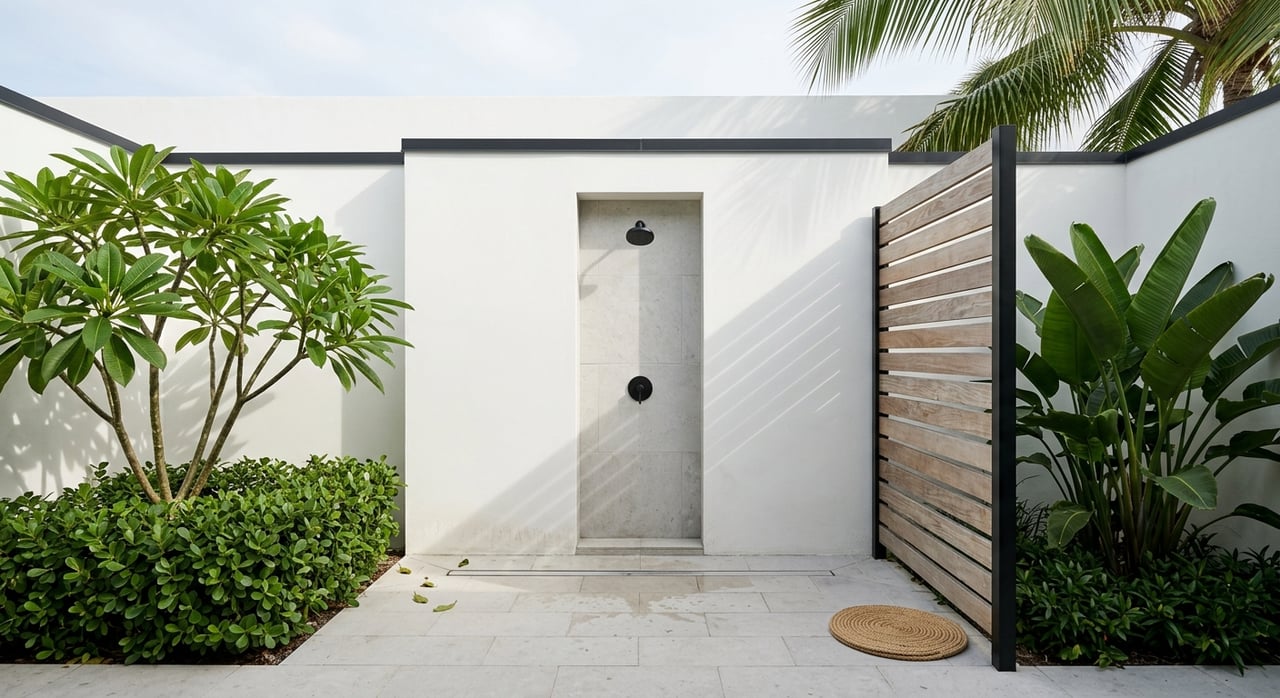
Dreaming about a vacation home on Harbour Island is the easy part. The real challenge is choosing a property and ownership plan that fits how you actually want to use it. If you want a second home that feels rewarding instead of complicated, you need to think about seasonality, property type, rental rules, and local support from the start. Let’s dive in.
Why Harbour Island Ownership Feels Different
Harbour Island is a compact out-island market in The Bahamas, and that shapes the ownership experience in practical ways. The island is reached by ferry or boat from mainland Eleuthera, with North Eleuthera International Airport serving travelers headed to Harbour Island.
That access pattern matters because it affects arrival logistics, vendor coordination, and how you plan for turnovers or repairs when you are off-island. A vacation home here is not just a property purchase. It is also an island operations decision.
The built environment has its own character as well. Dunmore Town is known for quaint New England architecture, and the broader housing mix tends to lean toward cottages, small houses, and other low-rise coastal homes rather than large subdivision-style communities.
Understand Harbour Island Seasonality
Before you buy, it helps to know when Harbour Island is busiest and when it naturally slows down. A local visitor guide describes high season as mid-December through mid-April, an intermediary season through late August, and an off-season from late August to late November.
For many owners, that creates a clear rhythm for both personal use and guest stays. Winter is often the most valuable window for enjoying the home yourself or welcoming short-term guests, while the slower late-summer and fall period is often better suited for maintenance and property care.
NOAA lists the Atlantic hurricane season from June 1 through November 30. That timing overlaps with Harbour Island’s quieter period, which is one reason many owners use late summer and fall for storm preparation, repainting, inspections, and end-of-season work.
What seasonality means for your planning
If you are buying with lifestyle in mind, you may want to reserve winter dates for your own use. If you plan to rent, those same months may also represent stronger guest demand.
A practical ownership calendar often looks like this:
- Winter: personal stays or premium guest bookings
- Spring and summer: mixed use depending on your travel schedule
- Late summer and fall: repairs, deep maintenance, storm prep, and slower turnover
Know the Common Property Types
Harbour Island is a small lodging and housing market, and that affects what you are likely to find. A local guide notes there are only about 11 hotels and roughly 220 units, with lodging types that include hotel rooms, condo-hotel rooms, independent cottages, smaller houses, and larger houses.
For buyers, the most common choice often comes down to three broad formats: a historic-style cottage in or near Dunmore Town, a larger house or villa, or a condo or condo-hotel style property with more shared services. Each option can support a different ownership style.
Cottages and smaller houses
These properties often align with the island’s traditional low-rise character. They may appeal to buyers who want charm, walkability, and a more intimate vacation-home experience.
The tradeoff is that smaller standalone homes still need reliable upkeep, especially if you are not on the island year-round. Even a compact property benefits from a management plan.
Larger homes and villas
A larger home may give you more space for extended stays, guests, or a more private lifestyle. It can also create more maintenance responsibility, from landscaping and utilities to pool care and storm preparation.
If you are considering this route, think carefully about whether you want to self-manage from afar or build in professional local support from day one. On Harbour Island, that decision can shape your ownership experience as much as the home itself.
Condos and condo-hotel style properties
These can be attractive if you prefer a more service-oriented ownership model. Depending on the property, you may have access to shared services that reduce the day-to-day burden of ownership.
That convenience can be especially helpful if you plan to split your time between personal use and guest occupancy. Still, you will want to understand exactly which services are included and how that fits your intended use.
Learn the Basics of Bahamian Ownership Rules
For non-Bahamian buyers, the ownership framework is an important part of the decision. Under the International Persons Landholding Act, non-Bahamians can register purchases of condos or properties intended to be used as owner-occupied dwellings, while other acquisitions may require a permit.
The Act defines owner-occupied property to include a dwelling house used on a permanent or seasonal basis. It also allows a non-Bahamian homeowner to apply for an annual homeowner resident card.
This is one reason your intended use matters so much. A home used seasonally by you may be treated differently than a property acquired under a different structure or purpose.
Budget for Taxes and Holding Costs
A beautiful vacation home still needs a realistic annual budget. The Bahamas Department of Inland Revenue states that real property tax is required by law and separates categories such as owner-occupied, residential, commercial, vacant land, and foreign-owned rental property.
The same department notes that Bahamians on Family Islands are not currently paying property tax there, while foreigners do. For foreign second-home owners on Harbour Island, that means annual holding costs should be part of your plan even if you expect to spend only part of the year in residence.
The Department of Inland Revenue also notes there are no property-tax zones at this time, although different locations can carry different rates. In practical terms, you should not assume your annual tax picture will look the same as another owner’s simply because the properties are on the same island.
Renting Your Vacation Home Changes the Equation
Some buyers want a private retreat. Others want the option to offset carrying costs through guest stays. On Harbour Island, that choice affects compliance, taxes, and how you operate the home.
Under the VAT Act, a vacation home rental is a short-term rental for a continuous period not exceeding 45 days. That rental is treated as a taxable supply, and a homeowner or marketplace may be liable to account for VAT on the rental and related services.
The Department of Inland Revenue says all short-term vacation rentals must be registered. It also says non-Bahamian second-home owners should ensure the property has been lodged with the Registrar General, VAT stamped, declared with the Department of Inland Revenue or updated through a change of ownership, and updated again if improvements are made.
The current VAT FAQ states that the standard VAT rate is 10%. It also notes that businesses must register if past or projected taxable activity exceeds $100,000 over a 12-month period.
Why your rental strategy matters early
Your purchase plan and your rental plan should work together. If you buy first and think about rentals later, you may face avoidable friction around registration, tax treatment, and property operations.
That is especially true in a small island market where turnover, housekeeping, repairs, and guest communication all depend on reliable local coordination. If rentals are part of your goal, it helps to map out the system before you close.
Plan for Management Before You Need It
One of the biggest ownership mistakes on island properties is treating management as an afterthought. Harbour Island ownership usually works best with some form of local support, especially if you will spend long periods away.
A resort-specific example from Pink Sands Resort shows how extensive that support can be. Its villa maintenance bundle may include common-area upkeep, exterior maintenance, sewerage, rubbish collection, landscaping, pool cleaning, on-call maintenance, bill payment and administration, hurricane preparation, end-of-season closing, utilities, insurance, and backup generators.
That is not a universal island standard, but it gives you a useful picture of the level of support many owners may want to budget for. Even if your property is not in a resort setting, the ownership needs can be similar.
A separate Harbour Island rental listing notes that housekeeping and a property manager are provided, while also pointing out that immediate repairs may not always be possible because island resources are limited. That is a valuable reality check for off-island owners.
What to prioritize in a local support plan
If you want a smoother ownership experience, focus on consistent oversight rather than reactive fixes. A standing local support plan often matters more than trying to solve issues one at a time from abroad.
Your plan may include:
- Regular inspections when the home is vacant
- Housekeeping coordination
- Landscaping and exterior care
- Utility and bill oversight
- Hurricane preparation and post-storm checks
- Scheduled maintenance during slower months
- Repair coordination with local trades
Balance Personal Use and Guest Stays
A Harbour Island vacation home can serve both lifestyle and financial goals, but only if you are realistic about how often you want access to the property. The more you want flexibility for spontaneous personal travel, the less inventory you may want committed to guests.
One program example from Pink Sands Resort requires villas in its rental program to be available for rental 270 days per year, while allowing 90 owner-occupancy days split between winter and summer. That is not an island-wide rule, but it is a helpful model for thinking through the tradeoff.
If you plan to rent, ask yourself a few practical questions:
- Do you want peak winter weeks reserved for family use?
- Are you comfortable blocking off long stretches for guest occupancy?
- Do you want a structured rental program or more flexible independent use?
- Will slower late-summer and fall months become your maintenance window?
The best ownership plan is usually the one that matches your actual habits, not the one that looks best on paper.
A Smarter Way to Buy on Harbour Island
Owning a vacation home on Harbour Island can be deeply rewarding, but success usually comes from planning beyond the purchase itself. You are not simply choosing a beautiful property. You are choosing a seasonal rhythm, a tax profile, a rental strategy, and a level of local management.
When those pieces line up, ownership tends to feel easier and more enjoyable. When they do not, even a remarkable home can become harder to manage than expected.
If you are considering Harbour Island, take the time to evaluate how you want to use the property in winter, what role rentals will play, and how you will support the home while you are away. That kind of clarity leads to better decisions and a more confident purchase.
For tailored guidance on Harbour Island properties, second-home planning, valuation insights, financing assistance, and property management support, connect with Chancellors KW Bahamas.
FAQs
What property types are common for vacation homes on Harbour Island?
- Common formats include cottages, smaller houses, larger houses or villas, and some condo or condo-hotel style properties in a low-rise market.
When is the best season to use a Harbour Island vacation home?
- High season generally runs from mid-December to mid-April, which often makes winter the strongest period for personal use or guest stays.
Do non-Bahamians need approval to buy a Harbour Island vacation home?
- Under the International Persons Landholding Act, non-Bahamians can register purchases of condos or owner-occupied dwellings, while other acquisitions may require a permit.
How does renting a Harbour Island vacation home affect taxes?
- Short-term vacation rentals of 45 days or less are treated as taxable supplies under the VAT Act, and registration and VAT compliance may be required.
What annual costs should foreign owners expect for Harbour Island property?
- Foreign owners should budget for real property tax and ongoing holding costs such as maintenance, inspections, utilities, and storm preparation.
Why is local property management important for Harbour Island owners?
- Local support helps with inspections, housekeeping, repairs, maintenance scheduling, and hurricane preparation in a market where immediate repairs may not always be possible.