Buying a private island in The Bahamas can feel like the ultimate lifestyle move, but the smartest buyers know it is really a due diligence exercise first. If you are weighing privacy, long-term value, or a future family retreat, you need to test the legal, operational, and environmental realities before you fall in love with the view. This guide walks you through the key factors that shape a sound island purchase in The Bahamas, so you can move forward with more clarity and less risk. Let’s dive in.
Start With Ownership Structure
A private island purchase in The Bahamas should begin with ownership, title, and closing mechanics. For non-Bahamians, one of the first questions is whether the acquisition falls under registration or requires a permit under the International Persons Landholding Act.
In many private island transactions, permit requirements are the more likely path. That is especially true when undeveloped land would leave you holding two or more contiguous acres. The law is clear that recording a conveyance without the required certificate or permit is void, so this is not a detail to sort out later.
You should also review the form of ownership carefully. Beyond price and location, your advisor team should confirm title chain, conveyance history, survey details, boundaries, acreage, and whether the land is freehold, leasehold, or otherwise encumbered.
Watch the Closing Timeline
Timing matters just as much as structure. Under a 2024 amendment, VAT is payable on land acquisitions under the Act as of July 1, 2024.
There is also a critical deadline tied to permits. As of July 1, 2025, a permit can expire if you do not file the acquisition instrument, pay VAT, and make the real-property-tax return within 90 days of the permit grant. The amendment allows up to two 180-day extensions, but only if the notice and fee are filed before the permit expires.
For island purchases, where surveys, utility review, and specialist reports can take time, calendar control becomes part of the investment strategy.
Gather Documents Early
The landholding process gives you a good picture of what authorities expect to see. The application can require photo ID, immigration-status information, source-of-wealth documentation, police record, financial and character references, a site plan, and evidence of conveyance and stamp-duty payment under the Act.
If you are buying through a company, beneficial-owner diligence is also part of the picture. In practical terms, that means you should organize your legal and financial documentation well before closing. A delayed file can slow a deal that already has more moving parts than a typical residential purchase.
Test Access Before Value
Access can make or break a private island purchase. A stunning island is less attractive if guests, contractors, supplies, and emergency services cannot reach it efficiently.
Start with the basics. How do you actually get there in different seasons and weather conditions? Is access marine-only, or is there runway potential? Can the island support the kind of usage you have in mind without major infrastructure spend?
Review Airstrip Feasibility
If your vision includes private air access, that needs regulatory review early. Under the Bahamas Civil Aviation Act, prior written permission is required to construct a private aerodrome, and aerodromes generally must be registered.
If the airfield would support commercial air transport, additional licensing or certification may be required. In other words, runway feasibility is not just an engineering question. It is also a legal and operational one.
Evaluate Docking and Marine Access
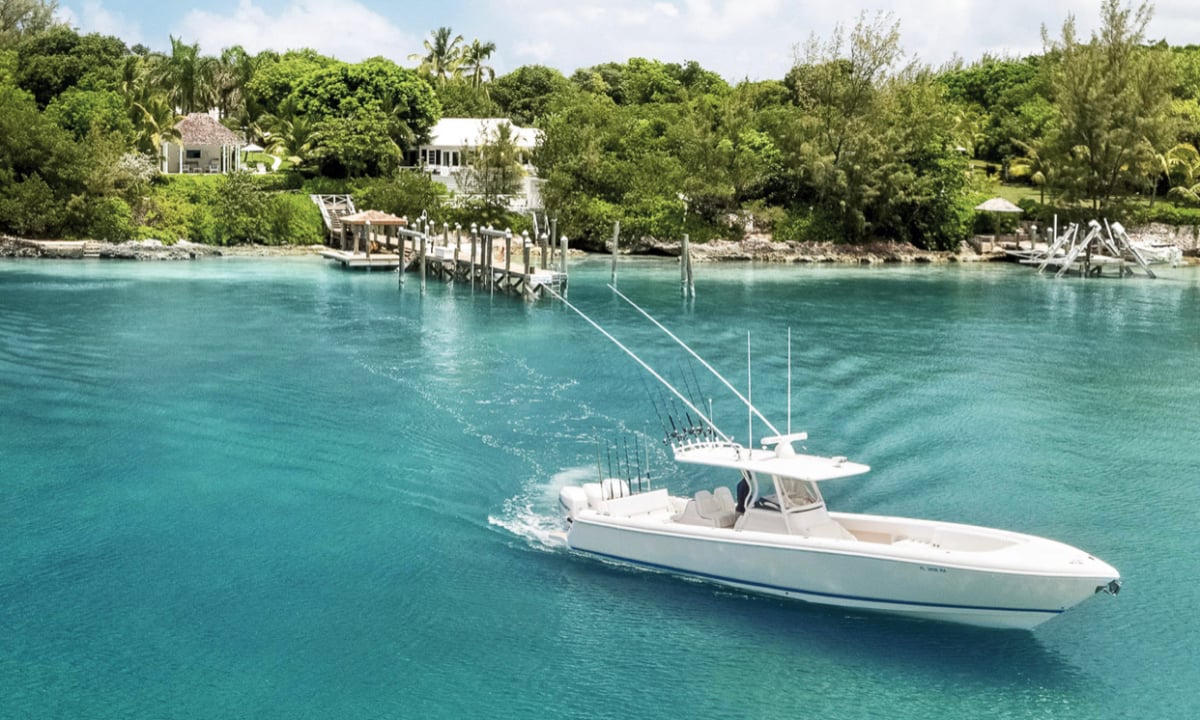
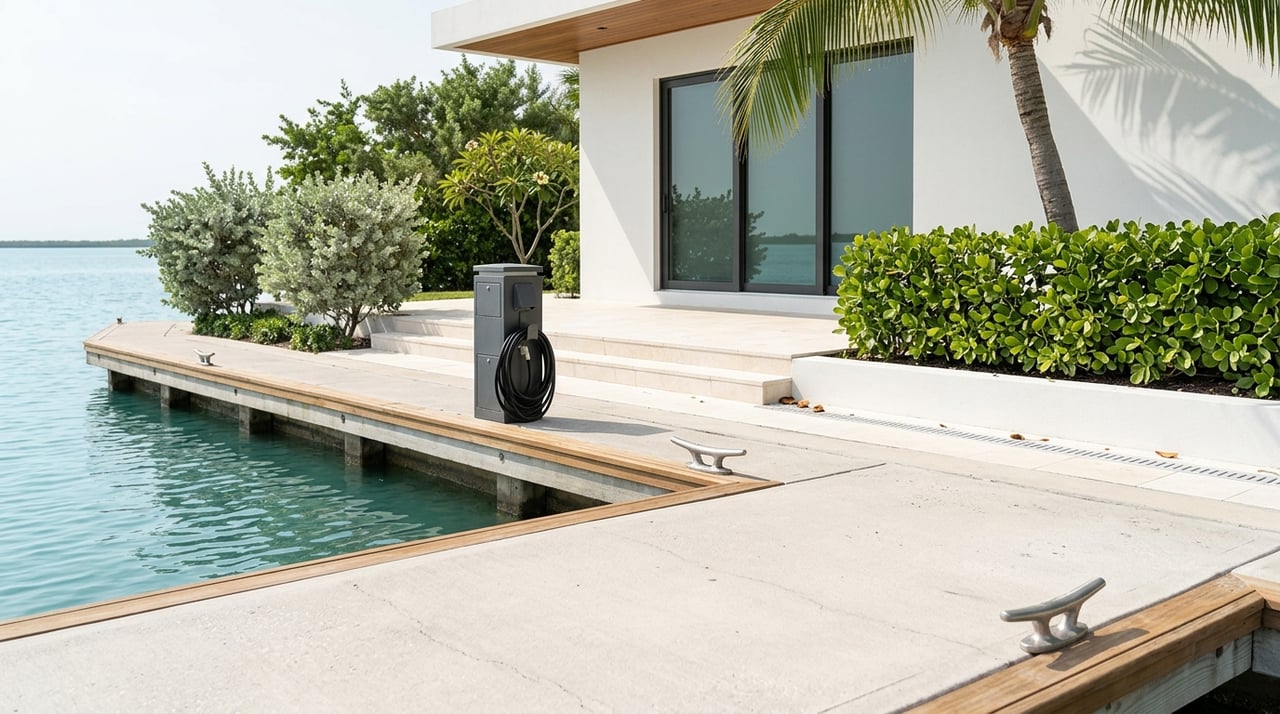
Even if you do not plan to build an airstrip, marine access still deserves close review. Your team should assess the practicality of dock or landing infrastructure, the intended traffic levels, and whether the island is suited for private use only or a more active operating model.
This step is especially important if your future plans include construction, regular provisioning, or hosting. The easier an island is to service, the easier it is to own.
Check Utilities as Operating Systems
Utilities should never be treated as assumptions on a private island. Water and power are not just conveniences. They are core operating systems that affect carrying costs, development potential, and everyday comfort.
Under the Out Islands water rules, the government may extend service pipes or mains at the owner’s request, but the consumer can bear some extension costs beyond the standard connection distance. The rules also reflect that service levels can vary by island and district.
That means you should ask very specific questions about current service, future extension costs, storage, redundancy, and whether your intended use will require upgrades.
Plan Power for Peak Demand
Electricity planning should be equally detailed. The electricity rules for designated Family Islands recognize different service categories, including residential, commercial, and temporary service.
That matters if your island will need construction power, staff accommodations, guest use, or backup generation. You want to know whether the island can support peak occupancy and essential systems without unexpected capital costs. For many buyers, this is where the real difference between a beautiful listing and a workable asset becomes clear.
Confirm Zoning and Land Use Early
Before you price design plans or imagine future improvements, confirm that your intended use aligns with the planning framework. The Planning and Subdivision Act states that development, approvals, and zoning must conform to the applicable Land Use Plan.
For a private island, this is a major de-risking step. A villa, dock, marina, staff compound, or boutique hospitality concept may sound straightforward, but the planning framework can shape what is allowed and how the site may be used.
You should verify compliance before you commit to a vision. It is far better to refine a plan early than to discover later that the island cannot support the layout or intensity you expected.
Understand Environmental Clearance
Environmental review is another key part of island due diligence. Under the Environmental Planning and Protection Act, no person may commence work on a project without a Certificate of Environmental Clearance where required.
The Act also provides for Environmental Management Plans and Environmental Impact Assessments. It specifically points to environmentally sensitive areas such as water resources, wetlands, coral reefs, and closed areas.
For private islands, this matters because shoreline work, dredging, utility installation, docking, and more intensive development can trigger deeper review. The real question is not only whether the site is buildable, but whether your intended level of use changes the approval path.
Separate Private Use From Rental Use
One of the biggest valuation questions is how you plan to use the island. A purely private retreat is evaluated differently from a rental property or resort-style operation.
A private-use island is typically judged on privacy, resilience, carrying cost, and ease of access. Once you shift toward short-stay rental or hospitality use, the compliance picture becomes broader.
Know When Tourism Rules Matter
The Tourism Development Corporation of The Bahamas Act defines tourism accommodation broadly, including apartments, villas, home stays, campgrounds, liveaboards, and glamping facilities.
That broad definition is important if your island might host paying guests. Even a use case that feels limited or seasonal can move you into a different compliance category.
Review VAT Implications for Rentals
VAT treatment also changes when an island is used for short stays. The 2024 VAT regulations say a commercial rental establishment includes residential accommodation regularly or systematically leased for continuous periods not exceeding 45 calendar days.
The regulations also include accommodation leased with furnishings and utilities provided by the lessor. In those cases, the operation of a commercial rental establishment is a taxable supply. If short-stay rental is part of your strategy, VAT classification and registration issues may arise much earlier than expected.
There is a useful nuance under the landholding law: a shift from an exclusive dwelling house to seasonal rental does not necessarily require a permit variation under the cited provision. Even so, you should not confuse landholding permission with tax or operating permission.
Build a Staffing Plan Too
An island purchase is not only about land and structures. It is also about people. If ownership will involve chefs, stewards, captains, maintenance teams, project managers, or security personnel, staffing should be part of your early planning.
Under the Immigration Act, non-citizens generally cannot engage in gainful occupation in The Bahamas without a valid permit. The law also states that an employer who employs a person prohibited from working commits an offence.
For buyers considering a fully serviced island, this is a practical issue, not a technical one. The staffing model should be reviewed alongside the operating model.
Use a Practical Island Checklist
As you compare opportunities across the islands of The Bahamas, keep your due diligence focused on the items that most affect risk, timing, and future use.
A strong evaluation checklist includes:
- Title chain, conveyance history, survey, boundaries, acreage, and ownership form
- Landholding route, permit timing, VAT on acquisition, and real-property-tax filing deadlines
- Air and marine access feasibility, including docks, landings, and any airstrip plans
- Water, electricity, backup generation, and construction-phase utility needs
- Land Use Plan and zoning fit for your intended improvements
- Environmental clearance requirements, including any EIA or sensitive-area concerns
- Private-use versus rental-use implications for tax, tourism, and operations
- Staffing and work-permit planning where service personnel will be involved
A private island can be an exceptional acquisition, but only when the legal path, infrastructure reality, and operating model all support your goals.
If you want experienced guidance on evaluating private islands, luxury waterfront opportunities, or development-grade property across The Bahamas, connect with Chancellors KW Bahamas. Their island-wide brokerage, valuation insight, financing assistance, property management, and regulatory-aware advisory approach can help you assess opportunity with greater confidence.
FAQs
What should you evaluate first when buying a private island in The Bahamas?
- You should start with ownership structure, title, survey details, acreage, and whether the purchase requires registration or a permit under the International Persons Landholding Act.
Does a private island purchase in The Bahamas usually require a permit?
- In many cases, yes. For non-Bahamians, undeveloped land that results in holding two or more contiguous acres often moves the transaction into permit territory.
Why does access matter in a Bahamas private island purchase?
- Access affects construction, guest arrivals, provisioning, emergency response, and long-term operating ease, so you should review marine access, docking, and any airstrip feasibility before closing.
Do private islands in The Bahamas need environmental approval for development?
- They can. Projects with environmental impacts may require a Certificate of Environmental Clearance, and some projects may also trigger Environmental Management Plans or Environmental Impact Assessments.
How does rental use change a private island purchase in The Bahamas?
- If you plan to lease the island for short stays, VAT and tourism-related rules may apply, which can create additional registration, tax, and operating considerations beyond simple private ownership.