Thinking about a home or investment in New Providence but unsure where to start? You are not alone. The island packs many product types into a compact footprint, and each option carries different costs, timelines, and risks. In this guide, you will learn how the market is organized, when to act, what to expect during due diligence, and how to build a smart neighborhood shortlist. Let’s dive in.
How the market works
New Providence is the commercial and population center of The Bahamas. Real estate is highly location-driven because the island is small and developable land is limited. That scarcity creates premiums for secure gated communities and true beachfront.
You will see clear segments by corridor and property type. Western areas like Cable Beach and West Bay Street host resort and condo product. Paradise Island leans luxury and high-rental demand. Central Nassau offers urban convenience, while eastern and southern corridors deliver more traditional residential neighborhoods.
Supply constraints and coastal rules influence pricing and availability. Well-positioned coastal lots and gated enclaves tend to command higher prices and can have longer marketing cycles.
Property types at a glance
Gated enclaves
These are privately managed, security-focused communities with private beaches, marinas, and club-style amenities. They attract buyers who want privacy, services, and strict property standards. Expect higher HOA fees, detailed covenants, and a smaller resale pool.
Resort and condo corridors
You will find these along Cable Beach, Paradise Island, and parts of West Bay Street. Options range from hotel-condos to mid and high-rise buildings. They are popular with second-home buyers and investors who value on-site amenities and rental-management options.
Beachfront single-family homes
These sit directly on open-ocean beaches and often achieve the highest premiums per linear foot of beach. They also carry greater exposure to storm surge and may have higher insurance costs. If you choose this category, factor in elevation, erosion control, and coverage requirements.
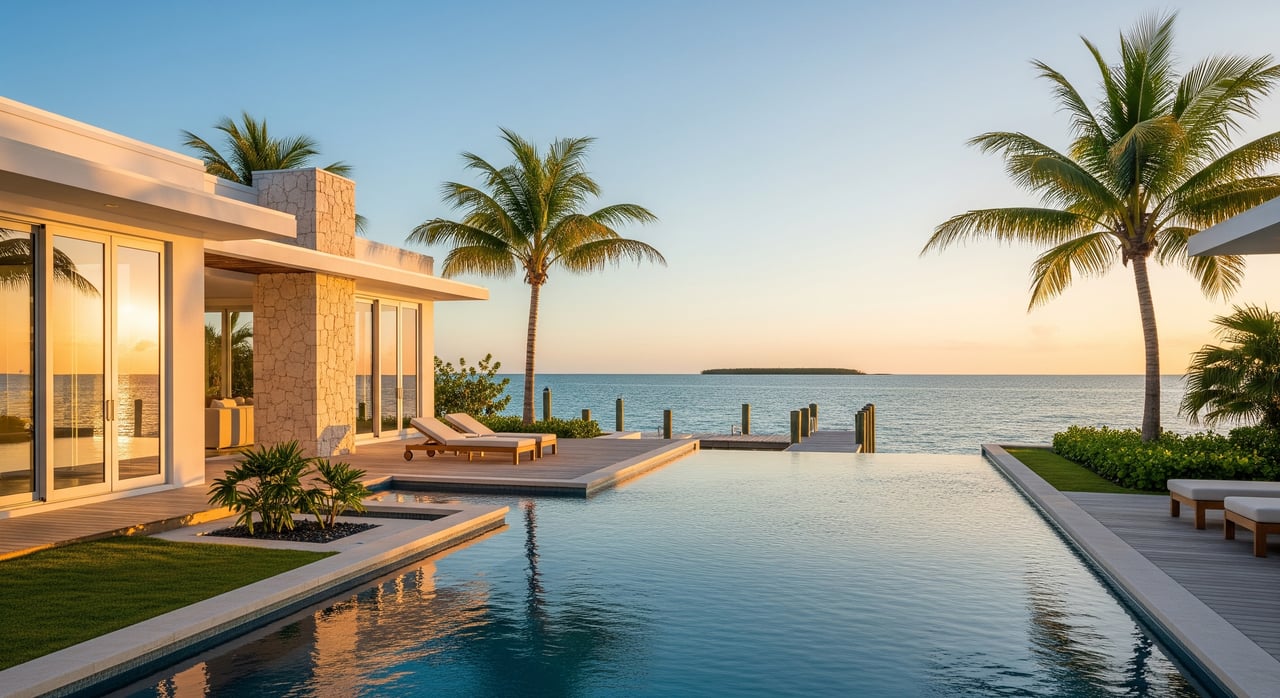
Canal-front and marina-side homes
Located on man-made canals and protected harbors, these properties offer calm-water docking and private slips. They are prized by the boating community. Budget for canal maintenance and confirm dredging responsibilities and water depths for your boat type.
Urban and infill options
Close to central Nassau and Bay Street, you will find smaller parcels, city condos, townhomes, and mixed-use buildings. These suit buyers who prioritize walkability, business access, and a lower entry price point.
Planned communities and subdivisions
These areas mix canals, parks, and single-family homes. They appeal to families and long-term residents who want neighborhood amenities and a calmer pace.
What to prioritize across types
- Accessibility to the airport, hospitals, schools, and grocery or retail.
- Marina access versus open-ocean beach frontage.
- Security needs and whether a gated setting matters to you.
- Maintenance obligations, HOA rules, and rental restrictions.
- Hurricane exposure, elevation, and insurance implications.
Who buys and when
International second-home buyers and investors from the United States, Canada, Europe, and Latin America are active across condos and luxury homes. Bahamian nationals look for primary residences and family properties. Buyers who prioritize privacy often choose gated enclaves.
Seasonality is strong. The high-demand period usually runs from November through April. Listings often launch before high season, and premium properties can capture stronger pricing when buyer traffic peaks. Activity tapers from May through October, and some sellers adjust pricing or withdraw during off-season months.
Since mid-2024, recovery in tourism has supported interest in turnkey condos and island homes. Scarce coastal inventory and the draw of boating and outdoor living have kept demand strong, nudging some buyers toward condos or resales in secure communities.
Neighborhood snapshots
Western corridor: Cable Beach to West Bay
- Product: High-rise and low-rise condos, resort residences, and canals in areas like Sandyport.
- Appeal: Hotels, casinos, restaurants, nightlife, and easy beach access.
- Best for: Investors and vacation-home buyers who want resort proximity and short-term rental potential.
Paradise Island and eastern resort nodes
- Product: Luxury condos and resort residences near Atlantis and surrounding amenities.
- Appeal: Walkable entertainment and strong vacation-rental demand.
- Best for: Buyers targeting rental income and a resort lifestyle.
Gated enclaves and estates
- Character: Secure, private, and amenity-rich with larger lots, private beaches, and club access.
- Best for: Privacy-focused families and long-term capital holders.
- Notes: Higher HOAs, detailed covenants, and a more specialized resale market.
Canal-front and marina-side communities
- Product: Single-family homes with docks, townhouses, and marina slips in canal areas such as Sandyport and developments with Coral Harbour characteristics.
- Appeal: Calm-water docking and family-friendly waterfront living.
- Notes: Confirm dredging and maintenance responsibilities, and check water depths.
Central Nassau and Bay Street
- Product: Small condos, apartments, and mixed-use buildings.
- Appeal: Business and government access, historic districts, and services.
- Best for: Buyers who value urban convenience and longer-term rental prospects.
Eastern and southern residential corridors
- Product: Detached homes and infill developments.
- Appeal: More attainable price per square foot than beachfront zones, with a quieter residential feel.
- Best for: Families and primary-residence buyers who want day-to-day convenience.
Buying steps and due diligence
- Engage a licensed local real estate agent who knows New Providence’s submarkets.
- Retain a Bahamian attorney for title search, conveyancing, and closing under local law.
- Negotiate an offer using a formal purchase contract with agreed deposit terms.
- Complete due diligence. This includes title search, current survey, building inspection, flood and environmental checks, and review of HOA rules and fees.
- Close and record the transfer with the local land registry per standard practice.
Key due diligence items to confirm:
- Clear title with no liens, mortgages, or encumbrances.
- Legal access, registered right-of-way, and utility availability.
- Elevation and flood-risk data, especially for beachfront and low-lying lots.
- Full building condition report for structure, roof, plumbing, and electrical.
- HOA covenants, restrictions, and any special assessments.
- Dock permits and dredging duties for canal properties.
- Rental rules from zoning and HOA if short-term rentals are part of your plan.
Costs, taxes, and insurance
Budget for these categories and verify current rates locally:
- Government stamp duties or transfer taxes, with rates and exemptions that may change.
- Legal fees and real estate commission, which follow local practice.
- Annual property taxes and any applicable exemptions.
- Insurance, with higher premiums possible in beachfront and exposed zones.
- HOA or condo fees for maintenance, security, and amenities.
- Utilities and services such as water, electricity, waste, septic or sewer, and internet.
Shortlisting checklist
Use this quick framework before you fly in for tours:
- Location and lifestyle
- Proximity to the airport, shopping, hospitals, and schools.
- Resort access versus privacy and low-traffic surroundings.
- Property use and operations
- Primary home, seasonal residence, long-term rental, or short-term rental.
- Ease of guest access, parking, and management support.
- Risk and cost profile
- Elevation, storm-surge history, and insurance estimates.
- Ongoing costs for HOAs, canal maintenance, property taxes, and utilities.
- Marine access and beach needs
- Dock depth, marina services, and hurricane mooring options for boaters.
- Beach erosion, public access, and future coastal regulation for beachfront owners.
- Resale and liquidity
- Larger buyer pools often exist for resort-corridor condos.
- Gated estates can be more specialized with longer marketing cycles.
- Regulatory and legal
- Zoning for rentals and any covenants limiting renovations or rental activity.
Before committing, compile your must-haves versus nice-to-haves, arrange virtual tours and current comparables, and line up a Bahamian attorney. It also helps to work with at least two agents who are active in your preferred micro-markets.
Financing and timing
Financing availability varies between local banks and international lenders. Many international buyers choose cash. Confirm financing options early to set realistic timelines.
Closings range from a few weeks for straightforward condo resales to several months for complex estates or land with title checks and regulatory steps. Be ready for hurdles such as chain-of-title gaps, unrecorded easements, HOA arrears, or missing permits on prior improvements.
How we help
You deserve clear guidance that blends local know-how with global reach. With a concierge approach and island-wide coverage, you get advisory support across residential sales and leasing, development and entitlement, financing assistance, market and appraisal analysis, and property management. You also gain access to international syndication and neighborhood-level marketing so your search or sale connects with the right audience.
If you want privacy in a gated enclave, a turnkey condo near resort amenities, or a canal-front home with a dock, the right strategy begins with a clean shortlist and disciplined due diligence. We can help you structure the search, coordinate legal and inspections, and negotiate with confidence.
Ready to explore New Providence with a local, advisory-led plan? Connect with the team at Chancellors KW Bahamas to Schedule Your Concierge Consultation.
FAQs
What makes New Providence’s market unique?
- A small island footprint, limited developable land, and strong location segmentation drive premiums for beachfront and secure gated communities.
When is the best time to buy in New Providence?
- High season from November to April brings more listings and buyers, while May to October can offer fewer showings and occasional price adjustments.
Can non-Bahamians buy property in The Bahamas?
- Yes. Non-Bahamians can purchase property, though certain circumstances may require notifications or approvals. Always confirm current rules with a Bahamian attorney.
How do beachfront and canal-front costs compare?
- Beachfront often commands the highest premiums and can have higher insurance. Canal-front provides calm-water docking but may include canal maintenance and dredging duties.
Which areas suit short-term rental investors?
- Resort corridors like Cable Beach and Paradise Island tend to have strong vacation demand. Verify zoning and HOA rules before pursuing short-term rentals.
What due diligence is essential before closing?
- Complete title search, current survey, building inspection, flood and environmental checks, HOA review, and permit verification, especially for docks and prior alterations.