If you are considering an Ocean Club purchase from abroad, you are probably asking the right questions first: What can you buy, how does the process work, and what costs come with ownership? That matters even more in a resort-integrated market like Paradise Island, where luxury living and rental flexibility can overlap. This guide walks you through the key facts international buyers should understand before purchasing at Ocean Club in New Providence. Let’s dive in.
Why Ocean Club draws global buyers
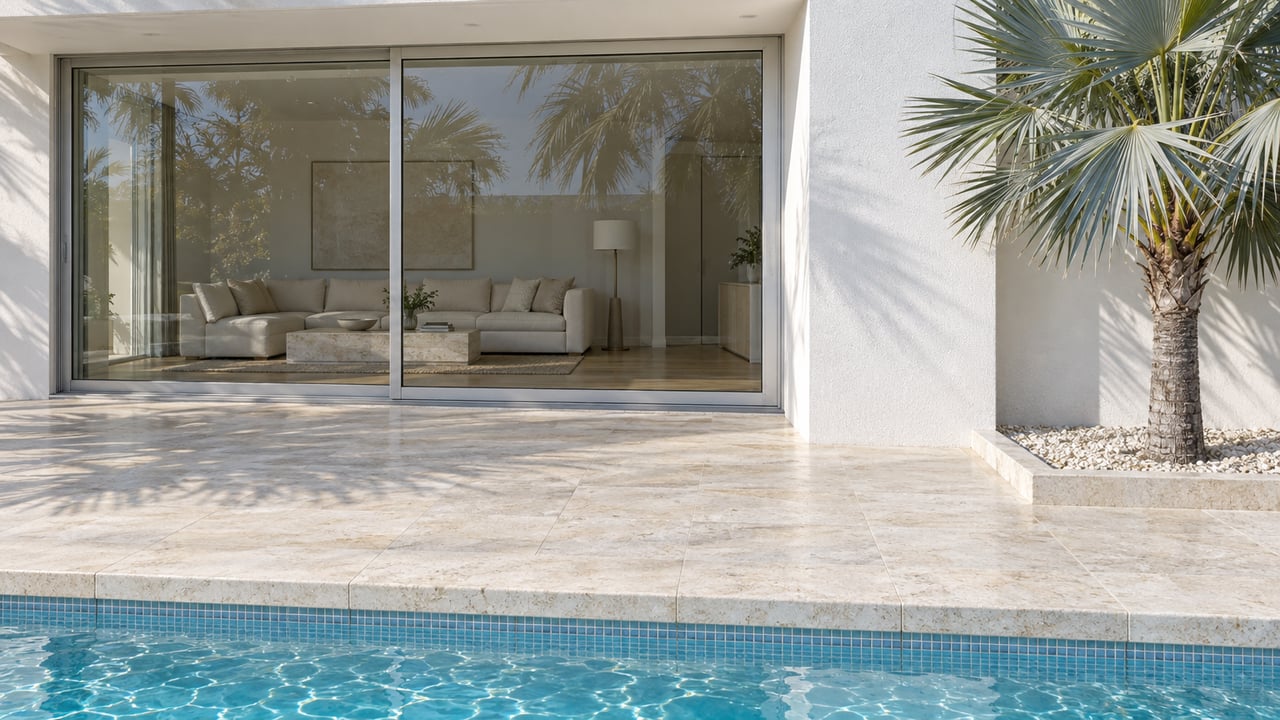
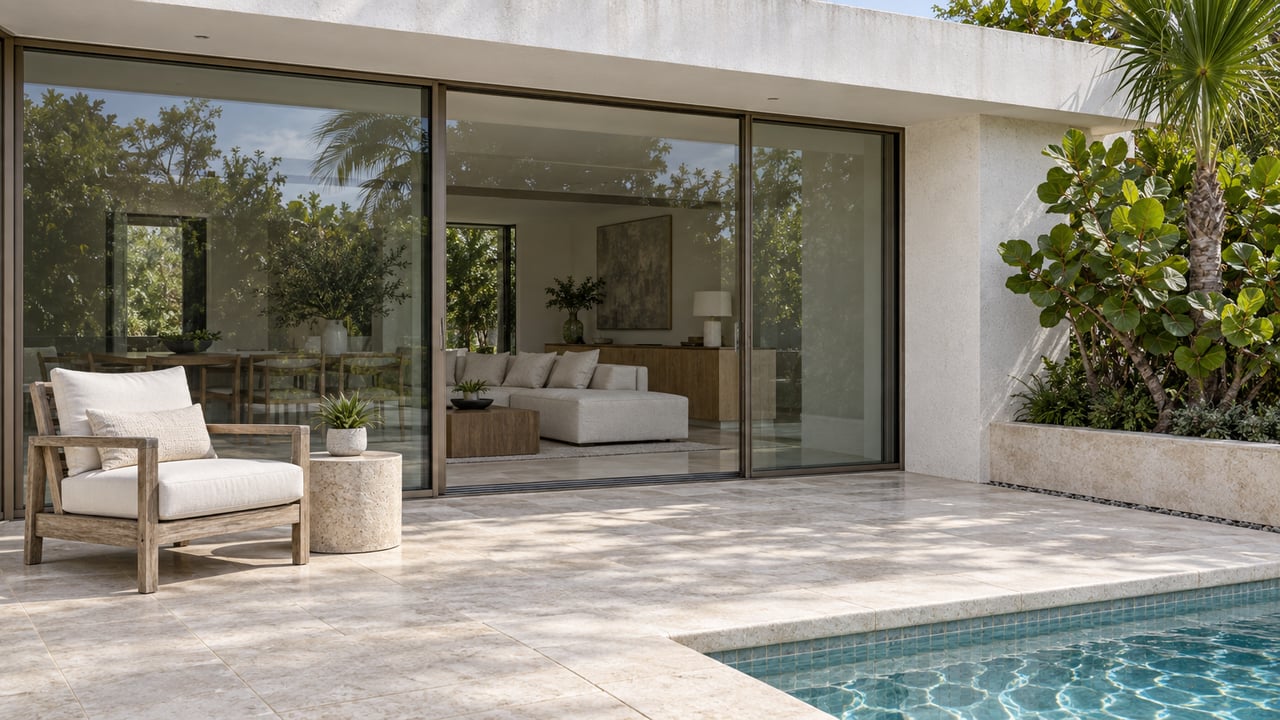
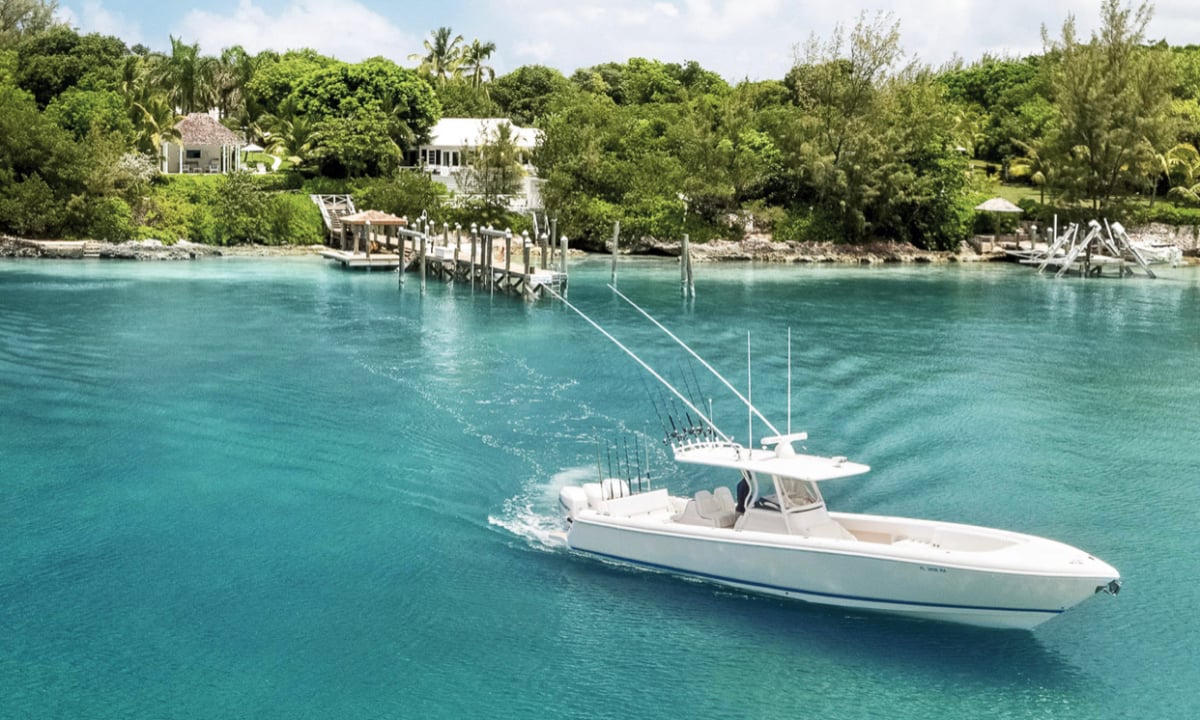
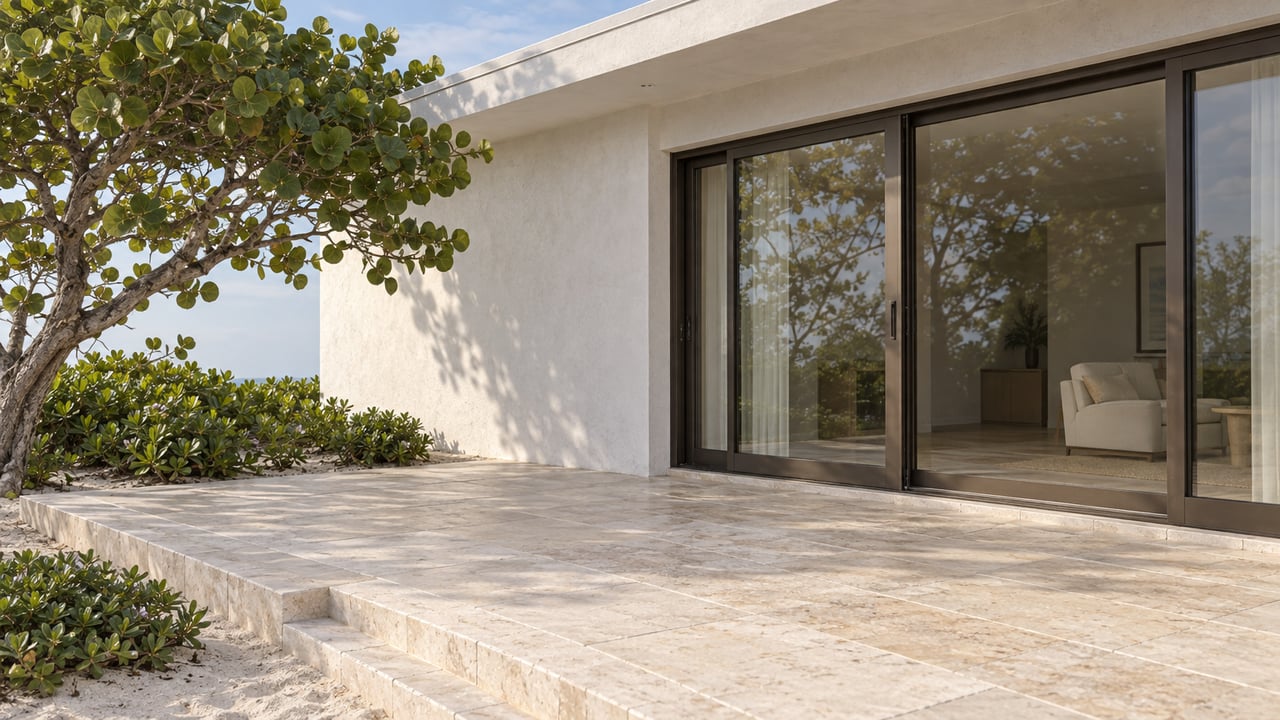
Ocean Club on Paradise Island stands out because it blends private ownership with a strong resort setting. Public materials describe the residences as private homes in beachfront buildings that are managed and staffed by Four Seasons, with an optional rental program available for some owners. Another official project description identifies the development as a gated collection of 67 private condominiums.
For many international buyers, that combination is the appeal. You are not simply buying a residence in New Providence. You are also buying into a branded, service-oriented ownership experience that may offer a different lifestyle and operating model than a standalone home or a more traditional private community.
What international buyers can purchase
In The Bahamas, non-Bahamians may acquire residential property up to two acres without prior Government approval, but the acquisition still falls under the International Persons Landholding Act and must be registered. If the purchase falls outside that framework, a permit may be required instead.
That distinction is important when you begin evaluating an Ocean Club opportunity. Before you move forward, you should confirm the exact property type, whether it is a condominium, villa, or branded residence, and whether your intended purchase fits the standard acquisition rules or needs additional approval.
Why property type matters
At Ocean Club, ownership form can shape your diligence process. A condominium in a resort-integrated setting may come with association rules, shared services, and rental program options that affect both your costs and your intended use.
You will want to confirm:
- The legal ownership form
- The governing documents
- The association budget and dues
- Any reserve or special assessment structure
- Whether the residence can enter a short-term or resort rental program
Residency options tied to ownership
If you own a home in The Bahamas, you may apply for an annual home owner resident card. According to the current application materials, that card may cover you, your spouse, and your minor children, subject to the required documents and approvals.
The application form lists a $200 processing fee and requests items such as the deed of conveyance, passport, police certificate, and proof of current real property tax. For buyers who want a way to spend more time in The Bahamas, this can be a useful ownership-related benefit.
Home ownership is not the same as permanent residency
It is important to separate annual homeowner residency from economic permanent residency. The Government’s 2024/2025 Budget Communication states that, effective January 1, 2025, the minimum qualifying investment for economic permanent residency increased to $1.0 million in real estate or zero-coupon bonds, held for a minimum of 10 years.
If your goal is broader immigration planning, you should compare those two pathways separately. A home purchase may support one kind of residency application, but it does not automatically mean you qualify for the other.
How the Ocean Club closing process works
For non-Bahamian acquisitions, transaction documents must be recorded with the Registrar General’s Department. Under the law, if a required certificate or permit is missing, the recording is void.
That makes documentation a major part of the closing process. In practical terms, your deal team needs to make sure the deed, VAT assessment, and any required landholding registration or permit work are properly handled before recording.
VAT on the transfer
The Bahamas currently applies a 10% standard VAT rate. Under the current VAT Act reprint, every deed of conveyance, assignment, or transfer of real property to a foreign person is taxed at 10.00% VAT.
For international buyers, this is one of the most important acquisition costs to understand early. You should budget for it upfront rather than assume that any local first-home relief will apply.
Do first-home concessions apply?
In general, foreign buyers should not assume that first-home VAT concessions will apply to an Ocean Club purchase. The available first-home VAT relief referenced in the research is limited to Bahamian citizens and specified value thresholds.
That means your cost picture as an overseas buyer may be different from what you see in discussions about local first-home purchases. Clarity early in the process can help you avoid surprises near closing.
Digital filing may be part of closing
The Department of Inland Revenue provides a VAT Stamp portal that allows conveyances and supporting documents to be submitted electronically for VAT assessment on property transfers. This is part of the normal closing workflow for real estate transactions.
While your attorney and transaction professionals will typically manage the filing steps, it helps to know that VAT assessment is not a side detail. It is a core part of getting a transfer completed correctly.
Ongoing ownership costs to budget for
An Ocean Club purchase involves more than the contract price. Like any luxury ownership decision, the true cost of ownership includes recurring items that can materially affect your annual budget.
Key ongoing costs may include:
- Real property tax
- Condo or HOA dues
- VAT on condo or homeowners association fees
- Insurance costs quoted during diligence
- Any VAT implications tied to short-term rental activity
Real property tax timing
Real property tax is required by law in The Bahamas. The Department of Inland Revenue says the bill is usually issued in mid-October, due by December 31, and subject to an additional 5% interest if unpaid after that date.
For second-home owners and international buyers, calendar management matters. You will want a clear plan for bill delivery, payment timing, and any local support needed to keep the property in good standing.
Association dues and VAT
The Department of Inland Revenue’s guidance states that condo and homeowners association fees are subject to VAT at the standard rate. In a service-rich development like Ocean Club, those fees can be a meaningful part of your carrying costs.
That is why it is wise to review not only the amount of dues, but also what they cover. Ask whether staffing, insurance components, or other service layers are built into the operating structure.
Insurance is a diligence item
Insurance pricing is not published as a single fixed government schedule. It should be quoted separately during your diligence period, especially for oceanfront or resort-integrated homes.
For buyers at Ocean Club, this is a practical step, not a formality. A property with beachfront exposure and shared-service features may need a different insurance review than a standard inland residence.
Rental use can change the tax picture
One of Ocean Club’s biggest attractions is optional rental flexibility. But from a tax and operating standpoint, your intended use matters.
The Department of Inland Revenue says the rental of a dwelling is exempt from VAT. However, accommodation normally or regularly rented for 45 days or less is treated as a commercial rental establishment and is subject to VAT at the standard rate.
Why this matters at Ocean Club
If you plan to use your residence only as a private dwelling, your tax treatment may look different than if you place it into a short-stay or resort rental structure. That distinction can affect how you project income, expenses, and compliance responsibilities.
The International Persons Landholding Act also notes that where a permit is issued for a stated use and the use later changes, a permit variation may be required in some cases. The Act specifically says no variation is needed when the change is from an exclusive dwelling house to seasonal rental.
Even so, the core lesson is simple: confirm your intended use before you buy. For Ocean Club purchasers, rental flexibility is a benefit, but it should be reviewed alongside the tax and ownership structure from the start.
How Ocean Club compares in New Providence
International buyers often compare Ocean Club with Albany and Lyford Cay before making a final decision. Each offers a different ownership style within the New Providence luxury market.
Ocean Club is the most visibly resort-integrated of the three based on the public materials in the research. The residences are closely tied to a hotel environment, managed service model, and optional rental structure.
Ocean Club vs. Albany
Albany describes itself as a 600-acre oceanside luxury resort community on New Providence. Its public accommodations materials say private residences are available for rental year-round and include daily housekeeping, complimentary Wi-Fi, resort amenity access, and 24-hour concierge service.
Compared with Ocean Club, Albany appears to offer a broader resort-residential hybrid model across a larger footprint. If you want a branded beachfront setting with strong resort integration, Ocean Club may feel especially focused. If you want a larger resort community with year-round rental positioning, Albany may enter your comparison set.
Ocean Club vs. Lyford Cay
Lyford Cay’s public materials describe a 1,000-acre secure enclave centered on club life, with golf, tennis, yacht harbor access, dining, and social events. Those materials emphasize membership and club amenities rather than a hotel-style rental program.
Based on those public descriptions, Lyford Cay appears more club-centric and less visibly hotel-rental-oriented than Ocean Club. If your priority is resort integration and optional guest-sharing or rental flexibility, Ocean Club may be the clearer fit.
A practical Ocean Club buyer checklist
Before you commit to a purchase, it helps to work through a short list of deal-specific questions. In a luxury market, small details can have a big impact on your ownership experience.
Use this checklist as a starting point:
- Confirm whether the property is a condo, villa, or branded residence
- Confirm whether you will use it only as a dwelling or also for short-term stays or resort rental use
- Request governing documents, budgets, dues, reserve information, and assessment history
- Ask who pays for insurance or staff-related costs
- Budget for VAT on the transfer if you are a foreign buyer
- Budget for VAT on association fees where applicable
- Review real property tax timing and payment responsibilities
- Make sure deed, VAT assessment, and required registration or permits are completed before recording
- Compare annual homeowner residency options separately from economic permanent residency planning
Why local guidance matters
Ocean Club can be a compelling choice if you want a luxury Bahamas residence with resort-level services and optional rental flexibility. But it is also the kind of purchase where ownership structure, intended use, tax treatment, and documentation all deserve careful review.
When you have the right local guidance, the process becomes much easier to navigate. You can evaluate the property not only for lifestyle fit, but also for the practical details that shape ownership over time.
If you are exploring Ocean Club or comparing luxury ownership options across New Providence, Chancellors KW Bahamas can help you evaluate the opportunity with local market insight, financing assistance, valuation support, and concierge-level guidance tailored to international buyers.
FAQs
What can an international buyer purchase at Ocean Club Bahamas?
- A non-Bahamian may generally acquire residential property in The Bahamas up to two acres without prior Government approval, but the acquisition must still be registered under the International Persons Landholding Act, and some purchases may require a permit depending on the property and use.
Does an Ocean Club Bahamas purchase qualify an international buyer for residency?
- Owning a home in The Bahamas may support an application for an annual home owner resident card, but that is separate from economic permanent residency, which has its own investment threshold.
What taxes should a foreign buyer expect on an Ocean Club Bahamas purchase?
- Under the current VAT framework cited in the research, every deed of conveyance, assignment, or transfer of real property to a foreign person is taxed at 10.00% VAT, and ongoing costs may also include real property tax and VAT on association fees.
Can an Ocean Club Bahamas residence be rented short term?
- Ocean Club public materials reference an optional rental program, but buyers should confirm the unit’s allowed use because accommodation normally or regularly rented for 45 days or less is treated as a commercial rental establishment and is subject to VAT at the standard rate.
How is Ocean Club Bahamas different from Albany and Lyford Cay?
- Based on the public materials in the research, Ocean Club is the most resort-integrated option, Albany is a broader resort-residential hybrid with explicit year-round rental positioning, and Lyford Cay is more club-centric with less visible hotel-style rental emphasis.
What should an international buyer review before closing on Ocean Club Bahamas real estate?
- You should confirm the ownership form, intended use, governing documents, association dues, reserve information, insurance responsibilities, VAT treatment, and that all deed, registration, and recording requirements are properly completed before closing.